Insurance Documentation

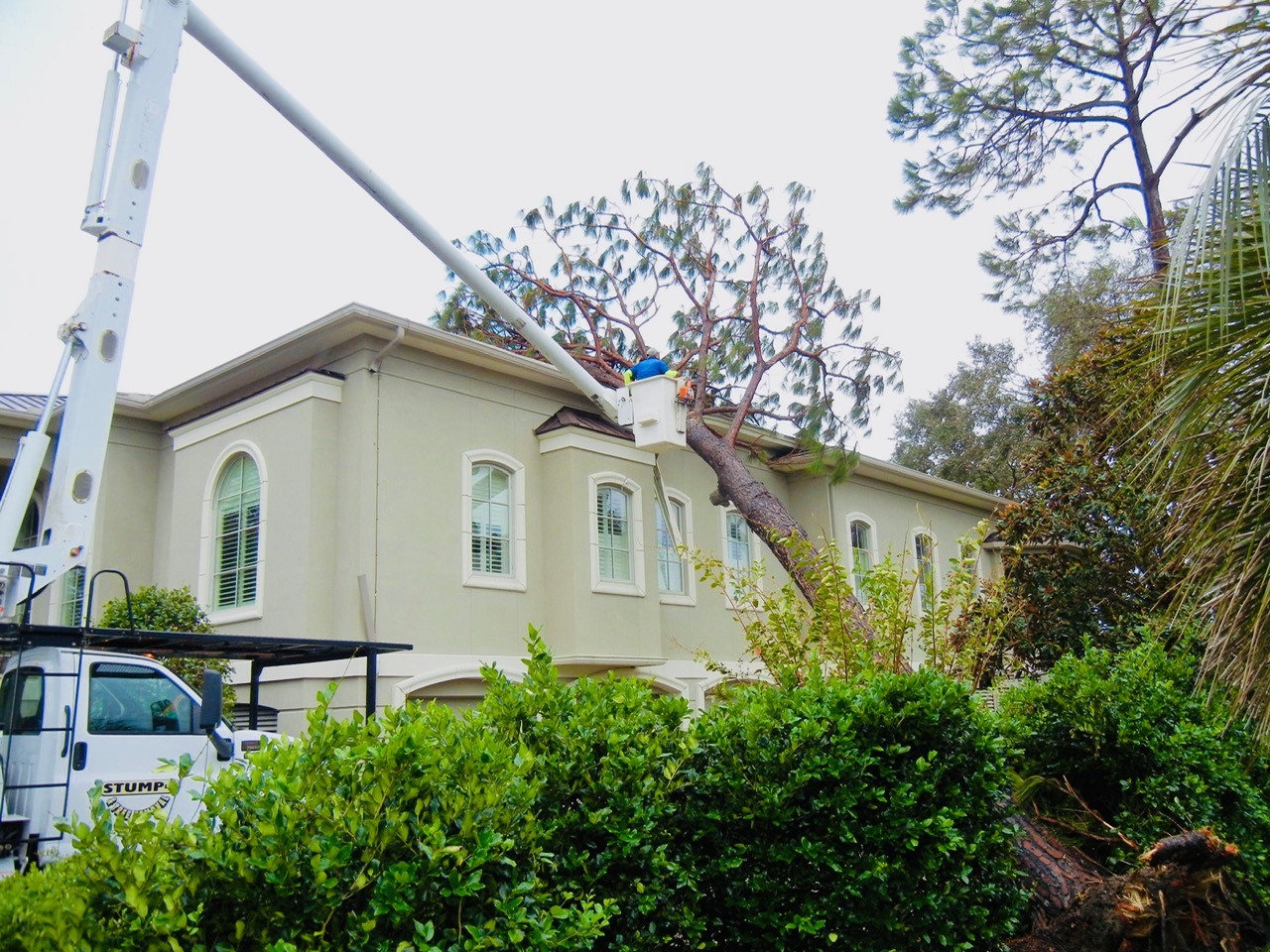
When storms or accidents strike, filing a successful tree damage insurance claim requires professional documentation. Obtaining a Consulting Arborist’s Report is essential for supporting your case and ensuring a fair evaluation by your insurance provider. This professional assessment provides detailed documentation of the damage, facilitating a fair evaluation by your insurance provider.
Purpose of an Arborist Report for a Tree Damage Insurance Claim

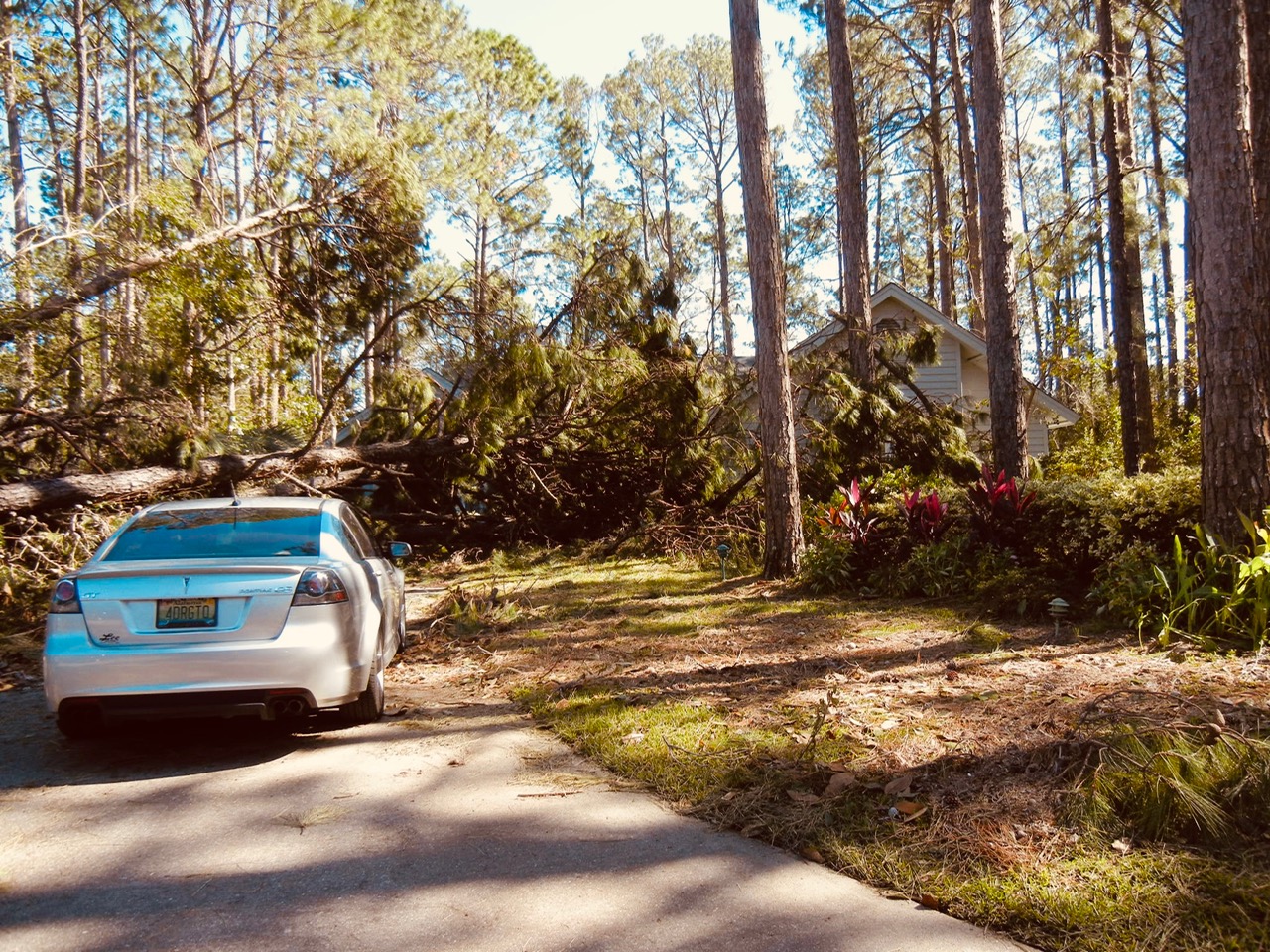
- Damage Assessment: Evaluates the extent and nature of the damage to each tree.
- Cause Determination: Identifies the likely cause of damage, whether from natural events, human activities, or other factors.
- Risk Evaluation: Assesses any immediate or potential hazards the damaged trees may pose to property or safety.
- Valuation: Estimates the monetary value of the damaged trees for insurance purposes.
Key Components of the Report:
- Introduction:
- Purpose of the report.
- Date of the assessment.
- Property location details.
- Tree Inventory:
- Species identification.
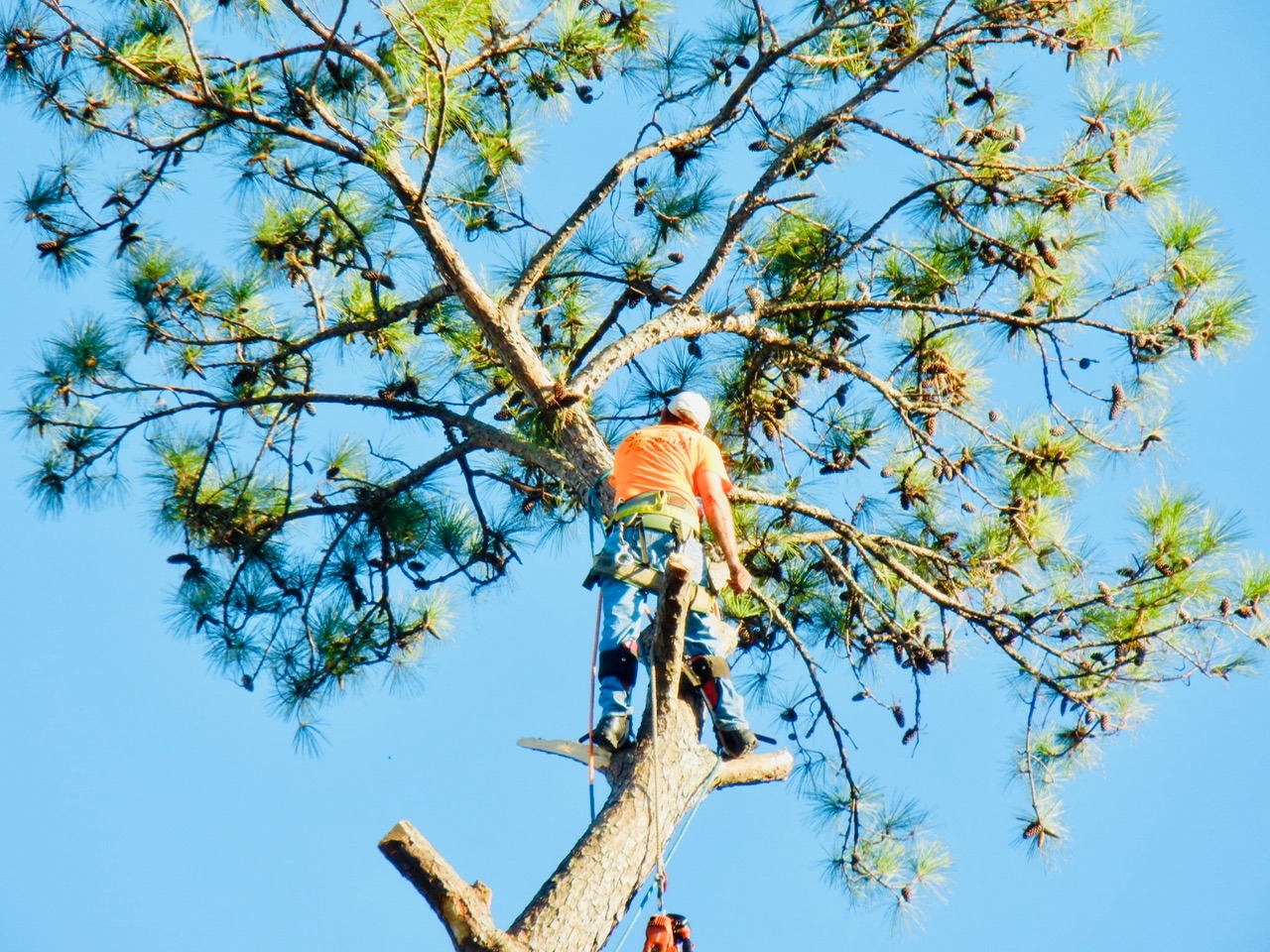
- Size measurements (e.g., height, trunk diameter).
- Location on the property.
- Condition Assessment:
- Pre-damage health and structural condition.
- Description of observed damage.
- Photographic Evidence:
- Clear images showing the extent of damage.
- Discussion:
- Analysis of the damage relative to the tree’s condition.
- Potential impact on the tree’s survival and stability.
- Recommendations:
- Suggested remedial actions (e.g., pruning, cabling, removal).
- Timeframe for recommended actions.
- Conclusion:
- Summary of findings.
- Final recommendations.
- Appraisal:
- Estimated value of the tree before and after damage.
- Calculation method used for valuation.
Why Your Tree Damage Insurance Claim Requires an Arborist

An arborist’s report provides objective, professional documentation that can substantiate your tree damage insurance claim. It offers evidence of the tree’s value and the extent of loss incurred, facilitating a fair assessment by the insurance company. Engaging a certified consulting arborist ensures that the report meets industry standards and is recognized by insurance providers.
Steps to Take Following Tree Damage:

- Ensure Safety: Prioritize safety by assessing the area for hazards such as downed power lines or unstable structures.
- Document the Scene: Capture clear, detailed photographs and videos of the damage from multiple angles, including close-ups and wide shots.
- Contact a Certified Arborist: Engage a professional to conduct a thorough assessment and provide a formal report.
- Notify Your Insurance Provider: Inform your insurer about the incident promptly to start your tree damage insurance claim, and submit the arborist’s report.
- Maintain Records: Keep copies of all communications, reports, and receipts related to the incident and subsequent actions.
By obtaining a detailed arborist report, you not only facilitate a smoother insurance claims process but also ensure that all tree-related hazards are professionally evaluated and addressed, promoting safety and compliance with local regulations.
FAQs
Standard policies typically cover removal if the tree falls on a covered structure (like a roof or fence) due to a covered peril like wind. We recommend reviewing guidelines from the Insurance Information Institute to understand general industry standards.
After a storm, document the damage and have a certified arborist assess whether trees can be saved or must be removed before further work. Arborist Consulting Solutions provides post-storm evaluations and insurance documentation across Palm Beach, Broward, and Miami-Dade counties. With emergency and after-hours availability, owner Ron Lamneck supports urgent claims. Call (728) 212-8891 for a consultation.
Adjusters use our reports to determine the exact cause of failure (e.g., windstorm vs. pre-existing rot) and the monetary value of the loss, which directly impacts your tree damage insurance claim payout.
Yes, Arborist Consulting Solutions offers emergency and after-hours response for tree concerns, including post-storm hazards and urgent insurance or permit deadlines. ACS responds across Palm Beach, Broward, and Miami-Dade counties; one Pompano Beach client noted Ron Lamneck arrived within an hour. Owner-led service means direct expertise. Call (728) 212-8891 anytime.
Yes. If your claim is wrongfully denied or escalates into a legal dispute, our team can provide authoritative testimony. Visit our Expert Witness Services page to learn how we support clients during litigation