Tree & Plant Species Gallery

A visual guide to South Florida’s most significant trees, with expert insights on care, risk, and legal considerations from Ron, your local Consulting Arborist.
Why Identify Your South Florida Tree Species?
Understanding the trees and plants on your property is key to responsible landscape management, safety, and long-term preservation. Each species has unique health risks, structural considerations, and legal implications under Florida law. This gallery is designed to help homeowners, HOAs, and property managers identify common south florida tree species while offering expert insight into potential issues like disease, pruning concerns, storm risk, or liability. Need a closer look? Schedule a species-specific tree assessment with Ron for peace of mind and actionable guidance.

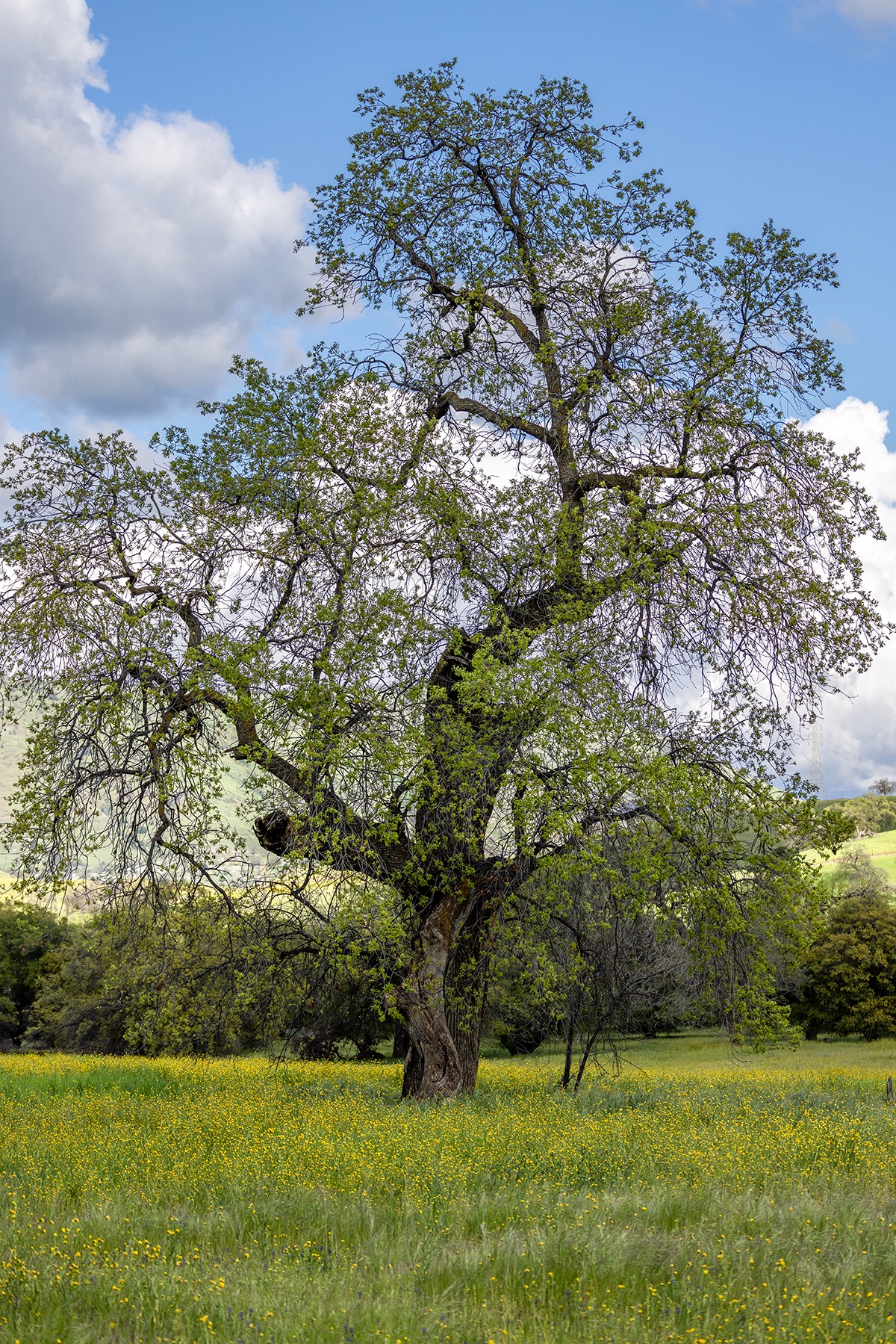
Live Oak (Quercus virginiana)
A timeless symbol of strength, the Live Oak is native to the southeastern United States and thrives in South Florida’s warm, coastal climate. Its massive canopy offers shade and ecological value.
- Susceptible to root compaction from construction and vehicle traffic.
- Can suffer from limb failure due to heavy lateral growth.
- Vulnerable to Oak Wilt and pests without proper monitoring.
- Tree Risk Assessment
- Soil Analysis and Root System Evaluation
- Structural Pruning Guidance
- Formal Arborist Letter for Real Estate Transactions
- Tree Appraisal & Valuation for Insurance
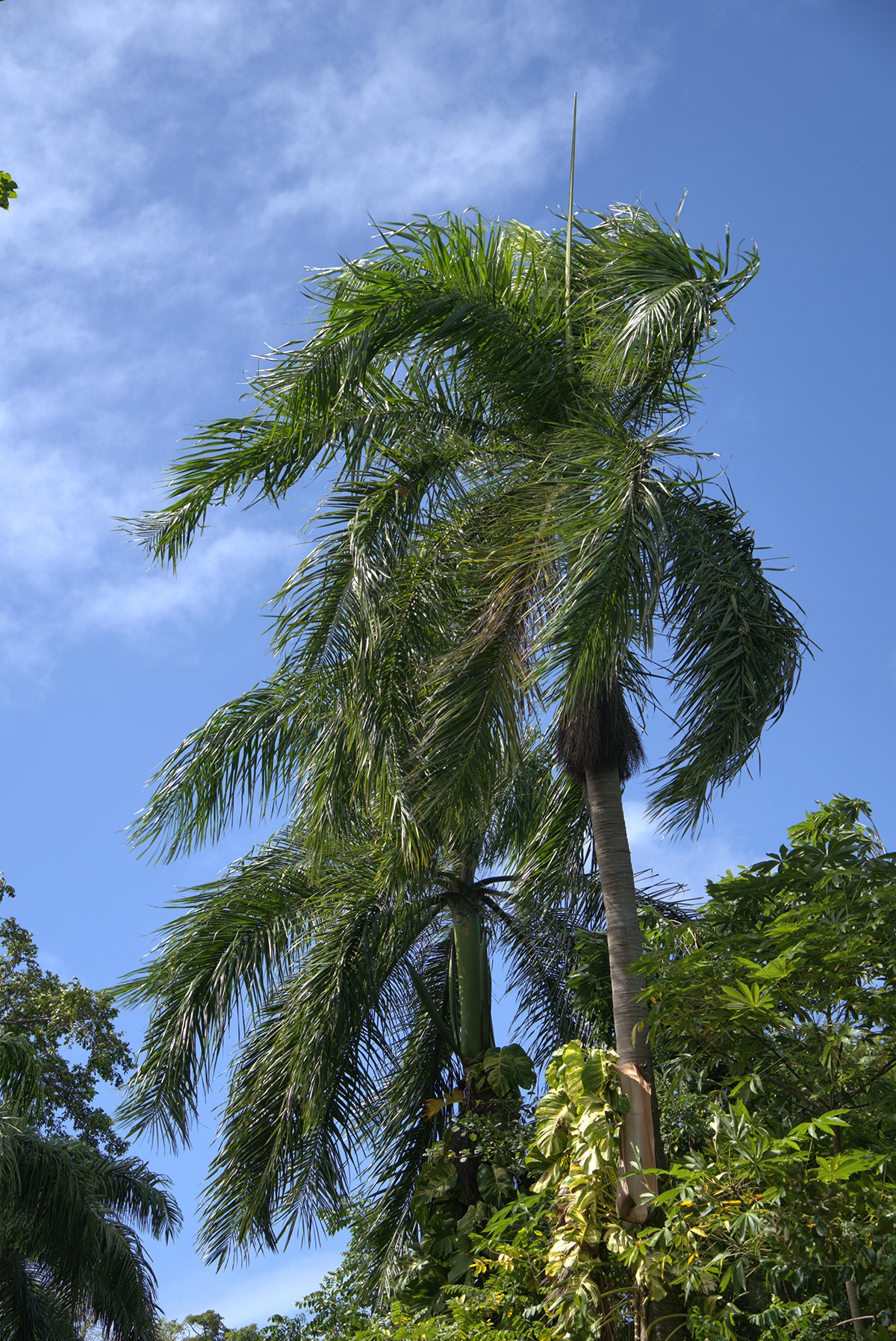
Royal Palm (Roystonea regia)
- Prone to trunk rot and Ganoderma butt rot.
- Over pruning weakens the crown and increases disease risk.
- Lightning strikes are a significant risk for mature palms.
- Tree Health Evaluation
- Permitting & Mitigation Guidance
- Lightning Protection Recommendations
- Tree Risk Reports for HOA & Municipal Compliance
- Nutrient Management Plan
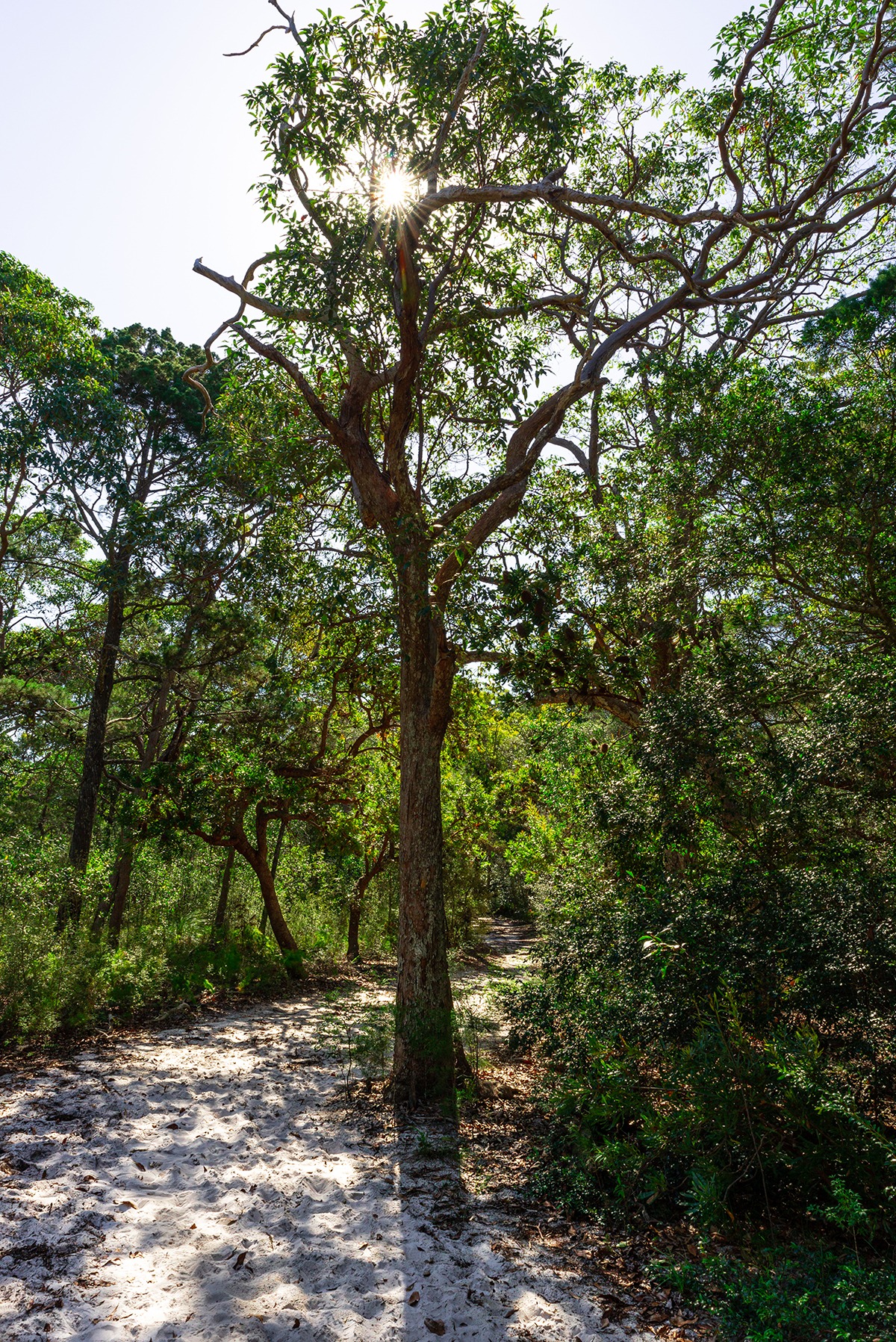
Gumbo Limbo (Bursera simaruba)
- Shallow roots make it vulnerable to storm uprooting.
- May lean significantly without structural support.
- Requires careful management when planted near sidewalks or roads.
- Construction Impact Assessments
- Tree Survey & Mapping
- Storm Damage Documentation
- Management Plans for Public & Private Landscapes
- Arborist Report for Permit Approvals
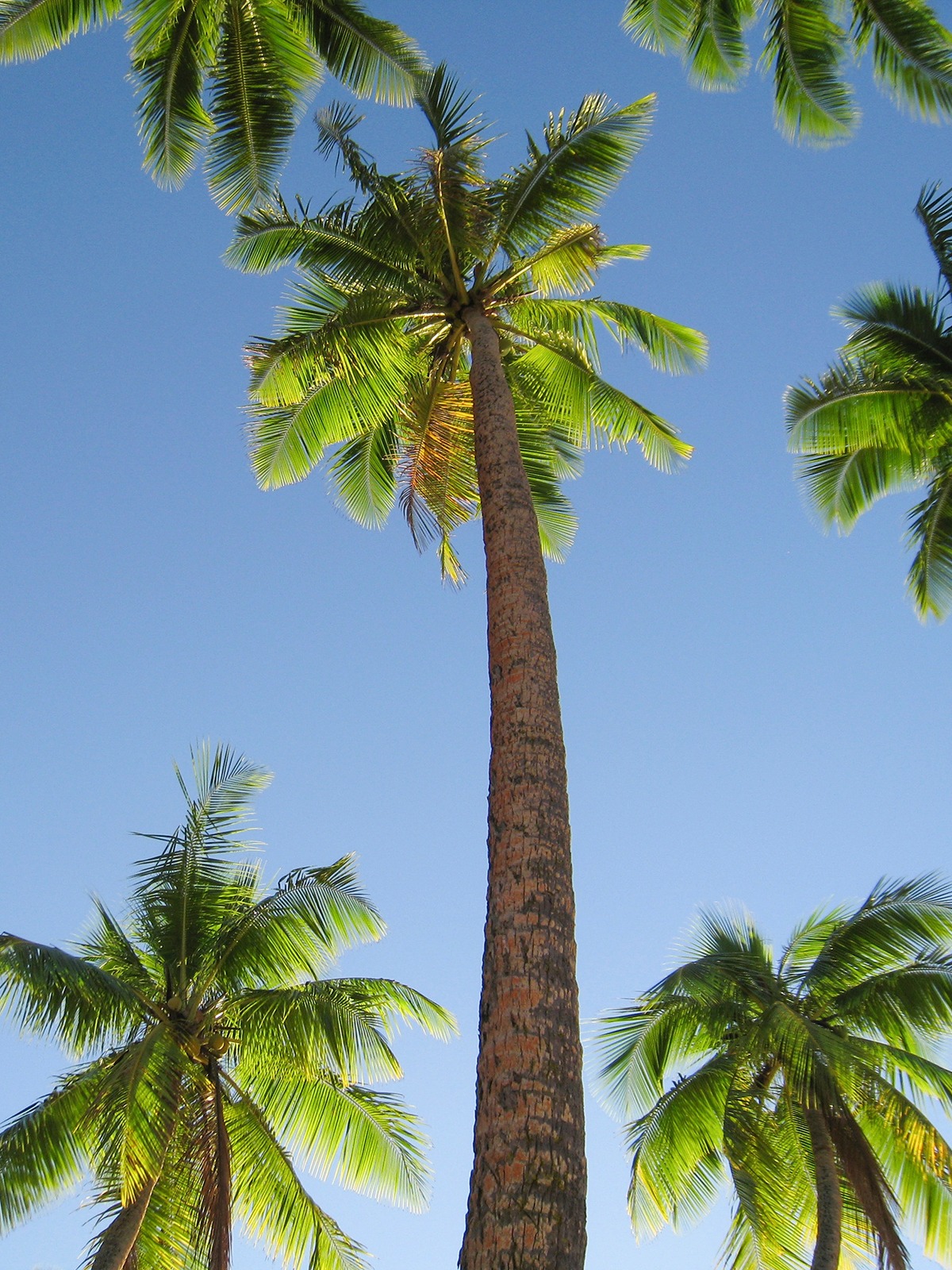
Coconut Palm (Cocos nucifera)
- Requires regular maintenance to prevent falling fruit injuries.
- Subject to Lethal Yellowing disease.
- Often planted in coastal zones with high salt exposure.
- Risk and Liability Evaluation
- Maintenance & Pruning Schedules
- Tree Health Reports for Insurance or Legal Cases
- Coastal Soil Analysis & Salt Tolerance Evaluation
- Expert Witness Support in Injury or Damage Cases
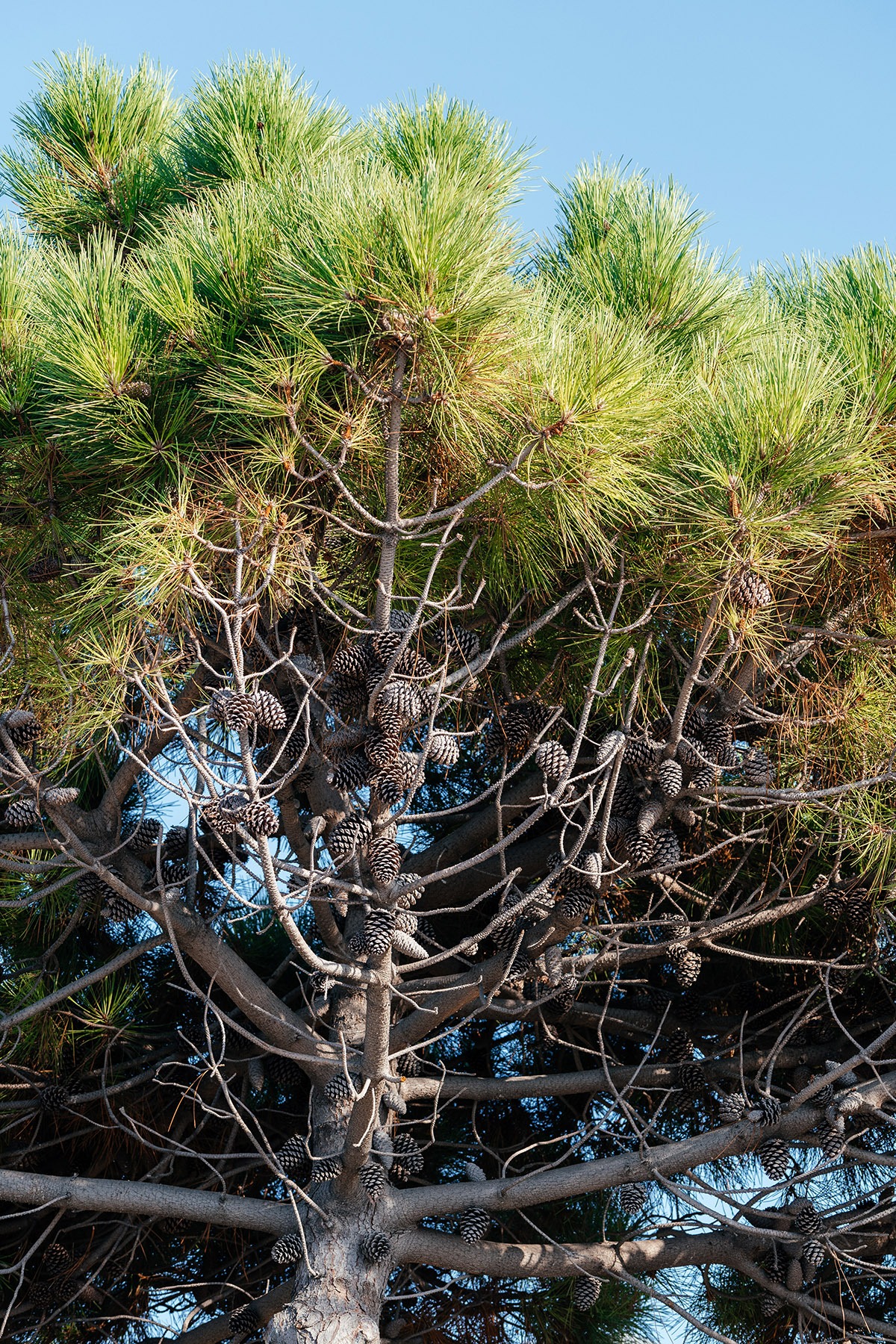
Slash Pine (Pinus elliottii)
- Susceptible to pine bark beetles and fungal infections.
- Needs deep soil and good drainage to thrive.
- Storms can cause breakage if tree is diseased or under stress.
- Tree Risk Reports for Storm Preparedness
- Pest & Disease Management Plans
- Soil and Drainage Evaluations
- Tree Removal Permits and Compliance
- Long-Term Preservation Strategy
Arborist Services by Tree Type
Tree Reports Available:
Legal & Regulatory Services:
Scientific Resources and Safety To learn more about native habitats and horticulture, you can review the extensive databases provided by the University of Florida IFAS Extension. If you discover a potentially hazardous tree on your property while browsing our south florida tree species gallery, please visit our Tree Risk Report page to request an official structural evaluation from our certified team.