What Is an Arborist Evaluation?
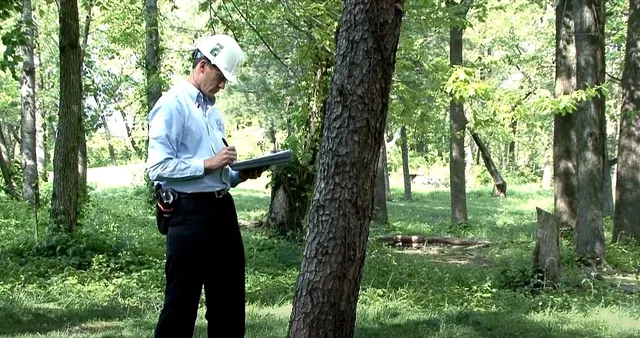
When assessing tree health and safety, an arborist evaluation is your smartest first step. This professional, visual inspection is performed by an ISA Certified Arborist with Tree Risk Assessment Qualification (TRAQ) to assess the health, structural stability, and safety risks associated with a tree or group of trees. This inspection is conducted from the ground and is strictly a Level 1 or Level 2 visual assessment, using industry-standard ISA and TRAQ methodologies.
Why an Arborist Evaluation Matters

• Tree species and growth characteristics
• Visible signs of health, vigor, pests, or disease
• Structural concerns such as cracks, deadwood, decay indicators, or canopy imbalance
• Root flare visibility, surface root conflicts, and soil conditions
• Tree-to-structure clearance issues
• Whether pruning is needed — and what type
This arborist evaluation is entirely visual and verbal. No written report is produced. If a written Arborist Report or a formal Tree Risk Assessment is needed, those services are available separately.
Why Arborist Evaluations Matter
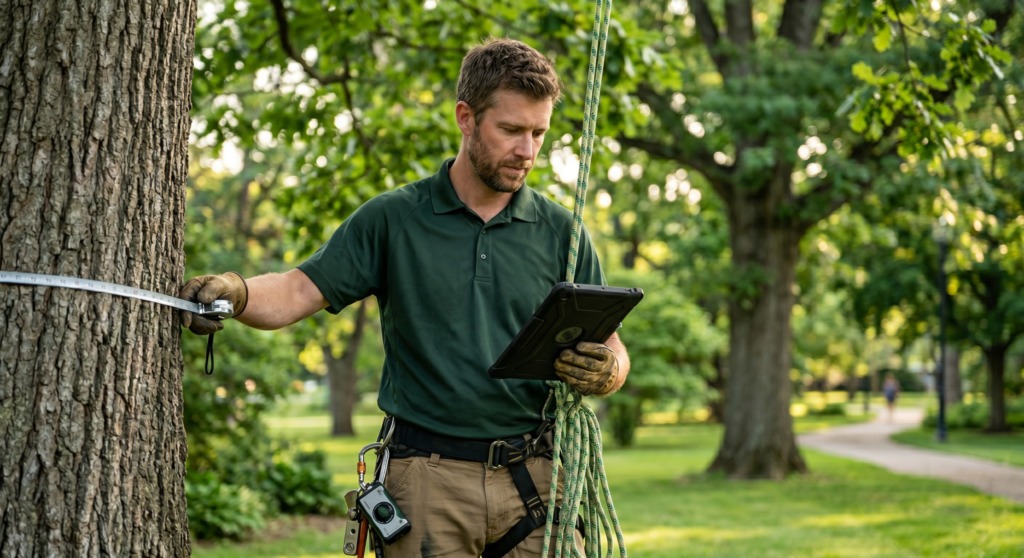
1. An Arborist Evaluation Protects Property & Prevents Damage.
A TRAQ-qualified arborist can identify visible early warning signs that help prevent expensive structural damage, including hazardous limbs, root conflicts, and canopy imbalance.
2. Reduces Liability Exposure.
A verbal evaluation helps property owners understand potential risks and demonstrates responsible tree management. Written documentation is not included but may be ordered separately.
3. Saves Money Through Prevention & Proper Decision-Making.
An evaluation can help avoid unnecessary pruning, prevent emergency removals, and extend the lifespan of valuable trees—saving thousands in long-term costs.
4. Determines Whether Pruning Is Needed — or Not.
The arborist identifies whether pruning is necessary and what type of ANSI A300-compliant pruning is appropriate, preventing unnecessary or harmful work.
5. Helps Preserve the Long-Term Value of Your Trees.
Healthy, well-maintained trees increase property value, provide shade, and enhance curb appeal.
Important Note: Visual & Verbal Evaluation Only
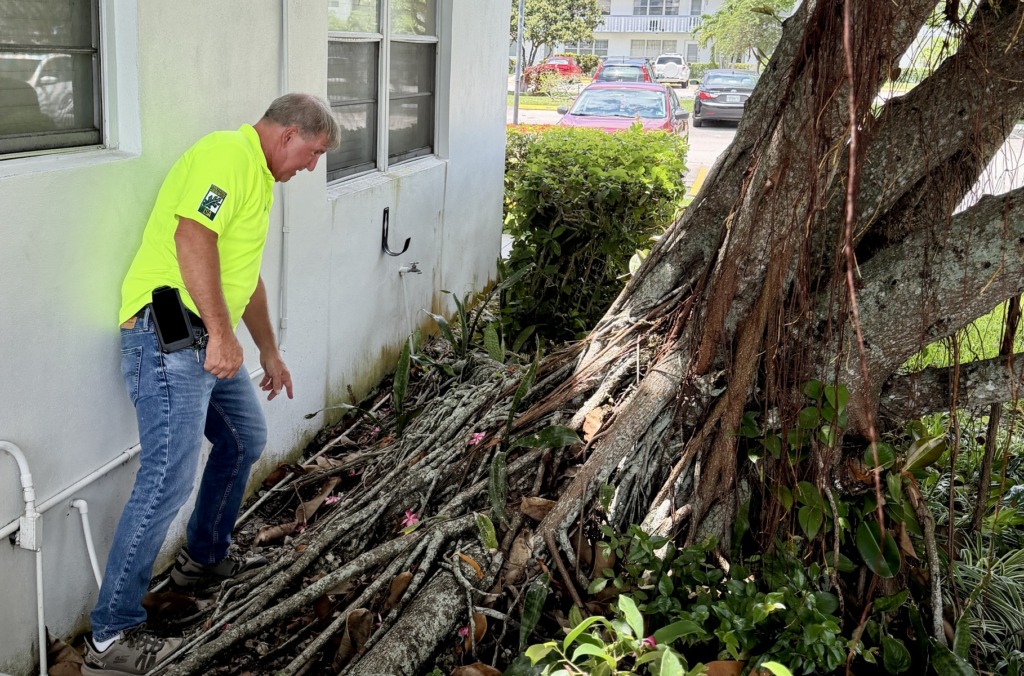
This service includes a visual, ground-based inspection and verbal findings. It does not include:
• A written Arborist Report
• A documented TRAQ Tree Risk Assessment
• Climbing/aerial inspection
• Advanced diagnostics
Why Hire an ISA Certified Arborist with TRAQ?

A TRAQ-qualified arborist provides expert, unbiased evaluations based on national standards and offers guidance on pruning, removals, or whether a formal written report is needed.
FAQs
An arborist evaluation is a verbal, ground-based visual inspection. It gives you immediate, expert insight into tree health and structural risks without the cost of formal documentation. If you need a written document for a permit, insurance claim, or legal dispute, you will need to upgrade. Learn more on our Arborist Report page.
You should book an arborist evaluation if you notice deadwood, signs of decay, or suspected disease, or if you simply want a professional opinion before hiring a tree trimming service. Catching these issues early saves money and prevents emergency removals.
No. This is strictly a Level 1 or Level 2 visual assessment performed from the ground, following the safety and assessment guidelines set by the International Society of Arboriculture (ISA). If advanced aerial diagnostics are required, the arborist will recommend the next appropriate steps.
Standard tree trimmers often lack formal education in tree biology and biomechanics. By investing in an objective arborist evaluation, you receive an unbiased, science-based assessment from a professional who isn’t just trying to sell you a costly tree removal.
Yes, at Arborist Consulting Solutions you work directly with owner Ron Lamneck, an ISA Certified Arborist with 40+ years of hands-on experience. Ron personally performs evaluations and prepares reports across Palm Beach, Broward, and Miami-Dade counties. This direct, owner-led service keeps findings consistent and accountable. Call (728) 212-8891 to get started.
To request an arborist evaluation or report, call Arborist Consulting Solutions at (728) 212-8891 or request a consultation at arboristconsultingsolutions.com. ACS serves Palm Beach, Broward, and Miami-Dade counties and schedules an on-site visit based on your needs. Owner Ron Lamneck then prepares your written documentation. Emergency and after-hours response available.