In the lush, verdant landscapes of Palm Beach County, trees are more than just background scenery. They are defining features of our properties, providing shade, beauty, and a connection to Florida’s natural heritage. These living assets, however, require diligent care. While we appreciate their beauty, it’s crucial to recognize that trees can also pose significant risks to people and property, especially in a region prone to intense weather. Proactively managing this risk is not just wise—it’s essential. This is where a professional Tree Risk Assessment becomes one of the most valuable tools for any property owner.
But how do you know when it’s time to call in an expert? Many property owners wait until a branch has fallen or a tree shows obvious signs of decline. The key to effective tree management, however, is to act before a problem becomes a crisis. An ISA Certified Arborist can provide the expert analysis needed to understand the health and structural integrity of your trees, helping you make informed decisions that prioritize both safety and preservation.
What Exactly is a Tree Risk Assessment?
It is a systematic, science-based process used by qualified arborists to evaluate the potential for a tree to fail and cause harm. It’s a far cry from a simple glance or a casual opinion. A formal assessment, conducted by an ISA Certified Arborist with a Tree Risk Assessment Qualification (TRAQ), considers three critical components:
- The Likelihood of Failure: The arborist examines the tree for any structural defects, diseases, pest infestations, or environmental stressors that could compromise its stability. This includes looking for cracks, decay, weak branch attachments, and root problems.
- The Likelihood of Impact: A tree can have a defect, but if it’s in the middle of an empty field, the risk is low. The assessment analyzes what the tree or its parts could strike if they were to fail. These “targets” can include your home, your neighbor’s property, power lines, vehicles, patios, and, most importantly, areas where people gather.
- The Consequences of Impact: The arborist evaluates the potential severity of damage if an impact were to occur. A small branch falling on a lawn has minor consequences, whereas a large limb falling on a roof or a car could be catastrophic.
By combining these factors, the arborist assigns a risk rating to the tree, which then informs a clear, actionable management plan.
Key Triggers: When You Should Schedule an Assessment
Certain situations and observations should serve as immediate triggers for scheduling a professional evaluation. Waiting for an incident is a risk you don’t need to take.
Before and After Major Storms
Living in South Florida means living with the constant threat of hurricanes and severe tropical storms. The powerful winds and torrential rains put immense stress on trees. A Tree Risk Assessment before a storm can identify vulnerabilities—like poorly attached limbs or compromised root systems—that could lead to failure during a high-wind event. After a storm has passed, an assessment is equally critical. A tree might look fine from a distance, but it could have hairline cracks, a destabilized root plate, or other subtle damage that sets the stage for future failure.
When You Notice Visible Signs of Distress
Your trees often provide visual cues when something is wrong. If you observe any of the following signs, it’s time to consider a Tree Risk Assessment by an ISA Certified Arborist. These symptoms can indicate underlying issues that compromise a tree’s structure and overall health.
- Significant Leaning: A sudden or progressive lean, especially if the ground around the base is heaving or cracking.
- Dead or Hanging Branches: Large, dead branches (often called “widow-makers”) are a clear and present danger.
- Cracks and Splits: Deep cracks in the trunk or on major limbs are serious structural defects.
- Fungal Growth: The presence of mushrooms or other fungal bodies on the trunk, branches, or at the base of the tree often signifies internal decay.
- Cavities and Decay: Visible hollows or areas of soft, decaying wood weaken the tree’s structure.
- Canopy Dieback: A thinning canopy, particularly at the top, or branches that are losing leaves out of season can signal root problems or disease.
- Changes at the Base: Heaving soil, exposed roots that were previously covered, or new sprouts emerging from the base can indicate stress or instability.
During Property Planning and Development
Whether you’re buying a new home, planning a renovation, or developing a commercial property, a Tree Risk Assessment is a crucial part of due diligence. For homebuyers, an arborist report can identify potential liabilities and future costs associated with large trees on the property. During construction, an assessment helps create a tree protection plan, preventing accidental damage to valuable heritage trees and ensuring compliance with local Palm Beach County permitting and ordinances. A Tree & Landscape Site Plan Review can integrate existing trees safely and effectively into your new design.
For Trees Near High-Value Targets
Any large tree that overhangs your house, driveway, deck, pool, or a children’s play area warrants regular inspection. The potential consequences of failure in these high-traffic, high-value zones are severe. Scheduling a Tree Risk Assessment provides peace of mind and is a fundamental part of responsible property ownership, helping to mitigate liability.
For Aging, Champion, or Heritage Trees
Mature trees are invaluable assets, but like all living things, their risk profile changes with age. Older trees are more susceptible to decay and structural fatigue. Special trees, such as designated Champion or Heritage Trees, often have unique historical and ecological value, and sometimes legal protections. A professional assessment can help develop a long-term preservation plan that balances their health with the safety of your property.
The Arborist Consulting Solutions Process
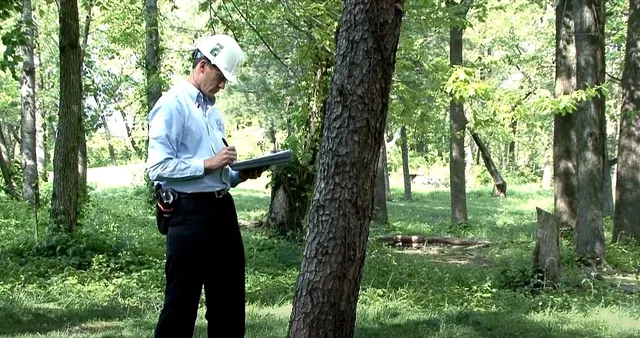
When you work with a seasoned professional like Ron from Arborist Consulting Solutions, the process is thorough and transparent. It begins with a comprehensive visual inspection of the tree from the ground up, examining every part from the root collar to the crown. If necessary, more advanced diagnostic tools may be used to investigate suspected internal decay or analyze soil conditions.
Following the inspection, you will receive a detailed Arborist Report. This formal document is essential for various purposes. It outlines the findings, provides a clear risk rating, and offers specific, prioritized recommendations. These may range from corrective pruning and cable/bracing installation to soil health treatments or, when necessary, removal. This report serves as crucial documentation for insurance claims, permitting applications, and even expert witness services in legal disputes.
More Than Just a Safety Check
Scheduling this assessment with a certified arborist is an investment that pays dividends beyond immediate safety concerns. It empowers you to preserve the majestic trees that enhance your property’s value and aesthetic appeal. It helps you avoid the high costs of emergency tree work and potential property damage. Most importantly, it provides the clarity and confidence you need to be a responsible steward of your landscape.
With a lifetime of experience in South Florida, Arborist Consulting Solutions offers an unmatched understanding of Palm Beach County’s unique ecosystems. We are committed to providing guidance rooted in science, ethics, and sustainability. If you have any concerns about the trees on your property, don’t wait for a sign of trouble. Let us help you ensure their health and safety for years to come.
Don’t wait for the next storm to find out if your trees are safe.
Our certified arborists provide detailed risk assessments to protect your home and landscape.