Arborist Consulting Solutions
STANDARDS, METHODOLOGIES & TECHNICAL AUTHORITIES
The Foundation of Our Professional Opinions

Arborist Consulting Solutions utilizes recognized arboricultural standards, accepted investigative methodologies, scientific research, and evidence-based evaluation procedures when conducting consulting assignments, tree risk assessments, tree appraisals, construction impact evaluations, root-related investigations, and technical arboricultural analyses.
Professional opinions are developed through the objective application of accepted industry standards, documented observations, scientific analysis, and recognized technical authorities. These methodologies provide the framework utilized when evaluating tree condition, risk, failure potential, valuation, construction impacts, and compliance with accepted arboricultural practices.
PROFESSIONAL STANDARDS & PRACTICE METHODOLOGIES
ANSI A300 Standards

The ANSI A300 Standards represent the nationally recognized standards of practice for arboricultural operations within the United States. Developed through the American National Standards Institute (ANSI) Accredited Standards Committee A300, these standards establish accepted procedures for pruning, tree risk assessment, root management, tree protection during construction, support systems, planting, transplanting, and plant health care.
ANSI A300 standards serve as the primary benchmark against which arboricultural practices are evaluated and are frequently relied upon by consulting arborists, municipalities, contractors, property owners, insurance carriers, attorneys, and regulatory agencies when determining whether work was performed in accordance with accepted industry practices and professional standards of care.
Primary Authority: ANSI Accredited Standards Committee A300
Why It Matters: ANSI A300 provides the professional framework that defines accepted arboricultural practices throughout the United States and serves as the foundation for evaluating professional performance and accepted industry practices.
ISA Best Management Practices (BMPs)

The International Society of Arboriculture (ISA) Best Management Practices provide technical guidance supporting ANSI A300 standards. While ANSI standards establish what should be accomplished, ISA BMPs provide detailed recommendations regarding how those objectives should be achieved.
Developed by subject matter experts and supported by current arboricultural research, ISA BMPs incorporate accepted industry practices and practical field applications. These publications are frequently utilized when evaluating tree preservation programs, risk assessments, root management procedures, pruning operations, and plant health care programs.
Primary Authority: International Society of Arboriculture (ISA)
Why It Matters: ISA BMPs bridge the gap between professional standards and field implementation, providing practical guidance supported by current arboricultural science.
ASCA Standards of Professional Practice

The ASCA Standards of Professional Practice establish professional expectations for consulting arborists, including ethics, objectivity, independence, documentation, reporting, and professional conduct.
These standards promote the development of objective opinions supported by evidence and accepted methodologies and are frequently referenced during consulting assignments, appraisal assignments, technical investigations, and professional consulting engagements.
Primary Authority: American Society of Consulting Arborists (ASCA)
Why It Matters: The ASCA Standards reinforce professional independence, objective analysis, and evidence-based opinions.
TREE RISK & STRUCTURAL ANALYSIS METHODOLOGIES
Tree Risk Assessment Methodology (TRAQ)
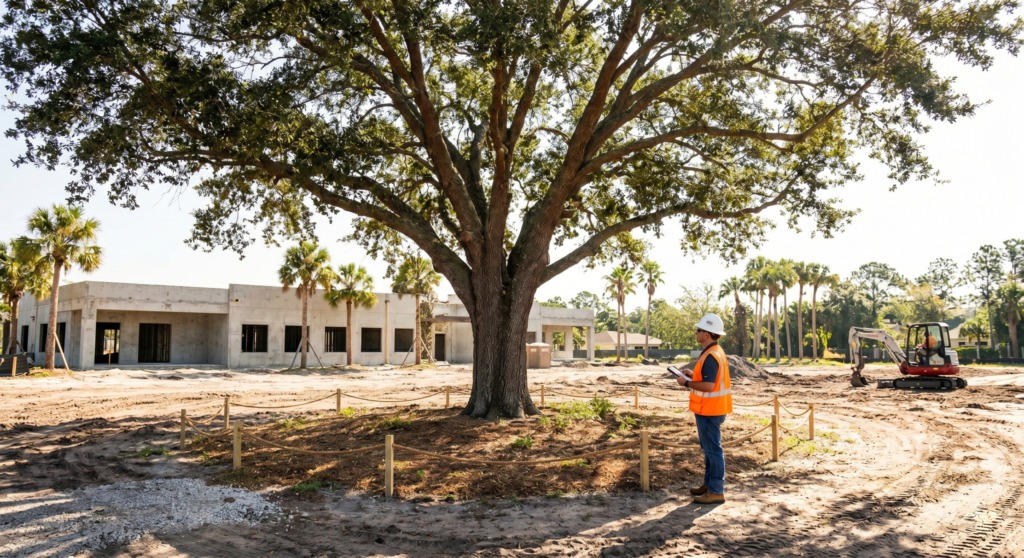
Tree Risk Assessment Qualification (TRAQ) methodology was developed by the International Society of Arboriculture to provide a systematic and defensible framework for evaluating tree-related risk.
The methodology evaluates the interaction between tree defects, site conditions, target occupancy, and potential consequences of failure through the analysis of:
• Likelihood of Failure
• Likelihood of Impact
• Consequences of Failure
TRAQ methodology is widely utilized by consulting arborists, municipalities, property managers, insurance carriers, and regulatory agencies when evaluating tree-related risk and liability concerns.
Primary Authority: ISA Tree Risk Assessment Manual
Why It Matters: TRAQ provides a consistent methodology for evaluating tree risk while improving communication between arborists, property owners, municipalities, and decision-makers.
Visual Tree Assessment (VTA)
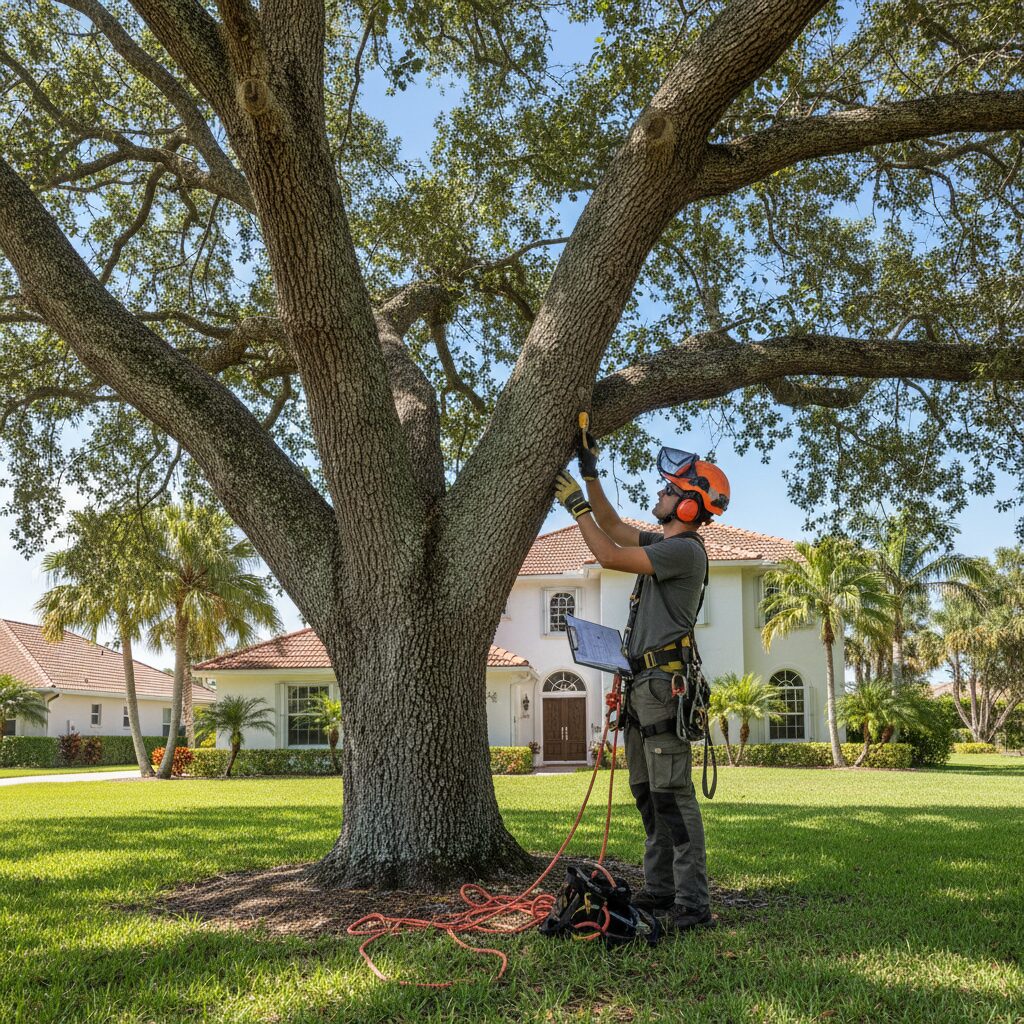
Visual Tree Assessment was developed by German physicist and tree biomechanics researcher Dr. Claus Mattheck. The methodology is based upon the principle that trees respond to structural defects and mechanical stresses through adaptive growth patterns that can often be observed during a visual inspection.
The evaluation typically progresses from the root flare through the trunk, scaffold branches, and crown architecture while assessing indicators of decay, structural weakness, biological dysfunction, and mechanical stress.
Primary Authority: Dr. Claus Mattheck
Why It Matters: Visual Tree Assessment remains one of the most widely utilized inspection methodologies within arboriculture and provides critical information regarding structural condition, biological health, and potential failure indicators.
Tree Failure Investigation Methodology
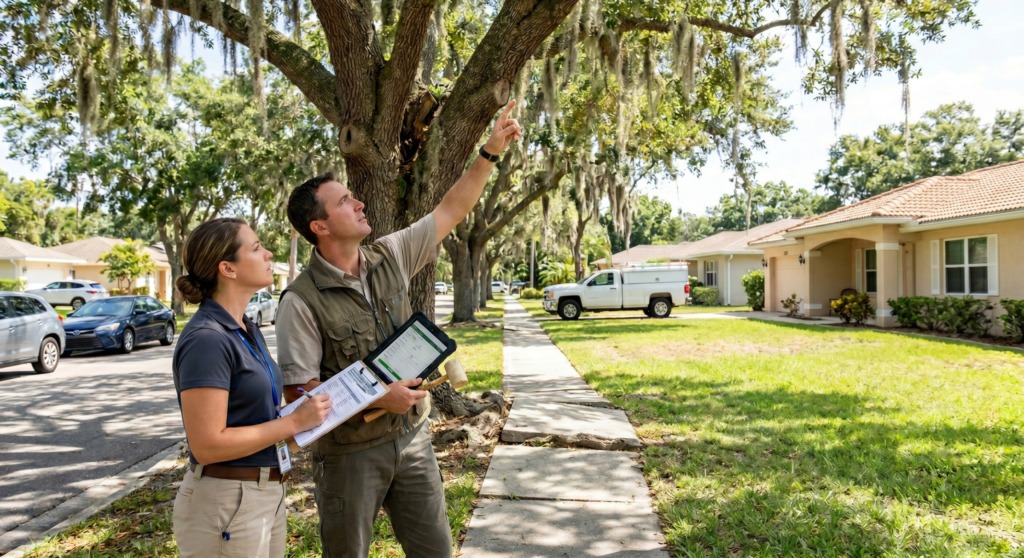
Tree failure investigations utilize a systematic process to determine why a tree or tree part failed. Evaluations commonly include root conditions, trunk integrity, structural defects, decay, species characteristics, maintenance history, environmental influences, site modifications, and weather conditions.
The objective is to identify the most probable cause of failure based upon available evidence, documented observations, and accepted scientific principles.
Primary Authorities: ISA Risk Assessment Literature and Forensic Arboriculture Research
Why It Matters: Failure investigations help determine contributing factors, identify causal relationships, evaluate foreseeable conditions, and improve future risk management decisions.
Tree Biomechanics Methodology
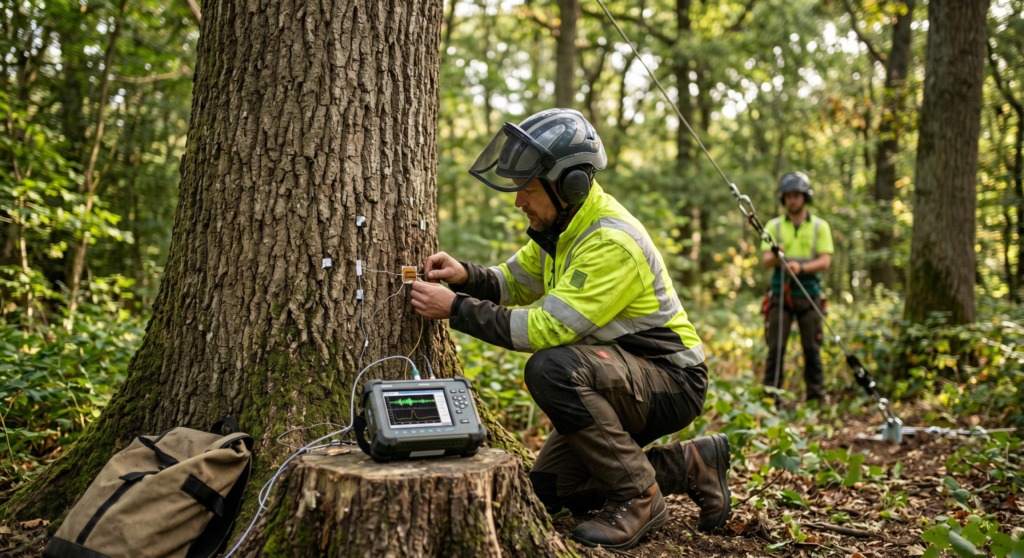
Tree biomechanics is the scientific study of how trees respond to physical forces including gravity, wind loading, structural stress, and mechanical loading.
Biomechanical principles assist arborists in understanding structural defects, load distribution, branch attachment strength, adaptive growth responses, and failure mechanisms. These principles are frequently applied during risk assessments, failure investigations, and structural evaluations.
Primary Authorities: Dr. Claus Mattheck and ISA Research Publications
Why It Matters: Understanding biomechanics allows arborists to better interpret structural conditions and evaluate how trees respond to environmental forces throughout their lifespan.
CODIT Methodology
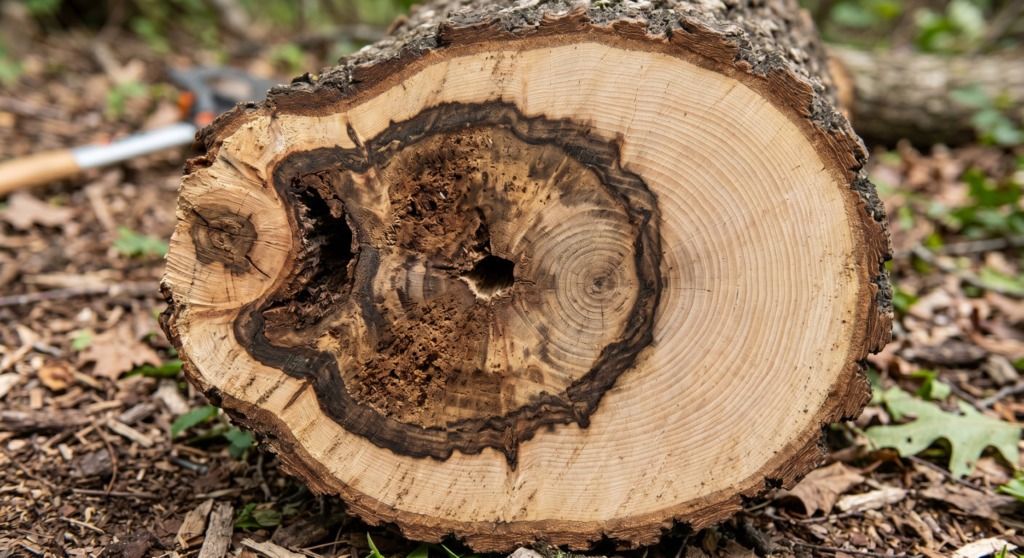
The Compartmentalization of Decay in Trees (CODIT) model was developed by Dr. Alex Shigo through extensive research into tree biology and wood decay processes.
CODIT explains how trees respond to injury by creating biological barriers that restrict the movement of decay organisms and dysfunction within woody tissues. Understanding CODIT is critical when evaluating decay progression, cavity formation, residual wall thickness, structural integrity, and failure potential.
Primary Authority: Dr. Alex Shigo
Why It Matters: CODIT remains one of the most influential concepts in modern arboriculture and provides essential insight into how trees manage decay and maintain structural integrity.
Tree Architecture Analysis

Tree Architecture Analysis is based upon the work of Dr. Francis Hallé and Dr. Roelof Oldeman, whose research identified recurring architectural growth models among tree species.
This methodology evaluates species-specific growth patterns, branching structures, crown development, and long-term structural tendencies. Understanding architectural models assists in evaluating structural performance, pruning requirements, growth characteristics, failure potential, and species-specific management considerations.
Primary Authorities: Francis Hallé and Roelof Oldeman
Why It Matters: Tree architecture provides insight into how trees naturally develop and respond to environmental conditions, allowing for more informed management and risk assessment decisions.
ROOT, SOIL & CONSTRUCTION IMPACT METHODOLOGIES
Root Management Methodology

Root management methodology focuses on the evaluation and protection of structural and absorbing root systems.
Investigations commonly evaluate:
• Root Severance
• Excavation Impacts
• Utility Conflicts
• Soil Compaction
• Grade Changes
• Drainage Modifications
• Root Decay
• Infrastructure Interactions
Root evaluations frequently play a significant role in construction-related claims, decline investigations, tree failures, and infrastructure damage disputes.
Primary Authorities: ANSI A300 Part 8 – Root Management and ISA Root Management BMP
Why It Matters: Root systems provide structural support, water uptake, nutrient absorption, and long-term stability. Many significant tree failures and decline conditions originate below ground.
Tree Preservation During Construction
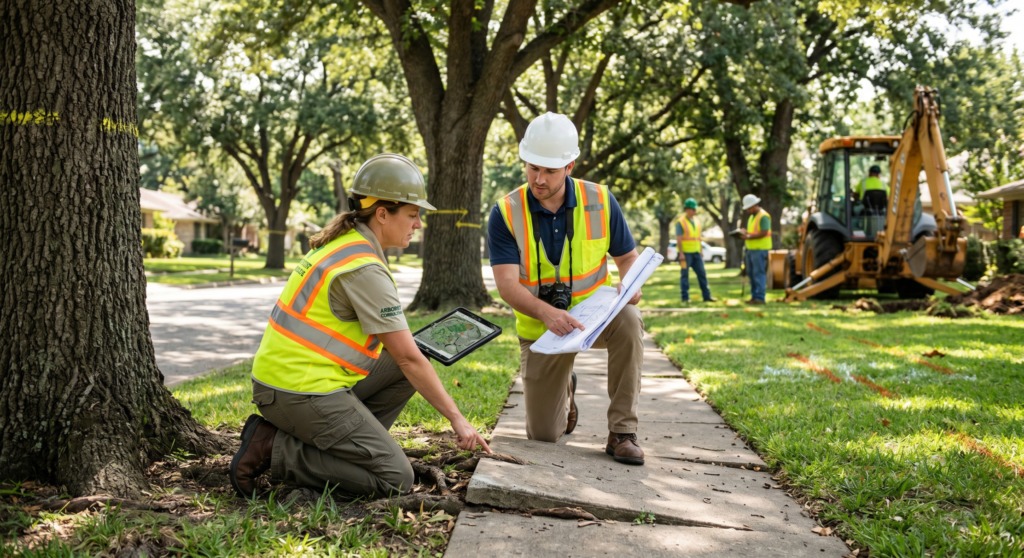
Tree preservation methodology focuses on minimizing construction-related impacts through Critical Root Zone protection, preservation planning, root pruning specifications, utility routing, monitoring procedures, and construction management practices.
This methodology is frequently utilized during development projects, municipal reviews, permitting processes, construction monitoring assignments, and construction-related disputes.
Primary Authorities: ANSI A300 Part 5 – Tree Protection During Construction and ISA Tree Preservation BMP
Why It Matters: Construction activities remain one of the leading causes of tree decline and mortality.
Soil Science & Site Analysis
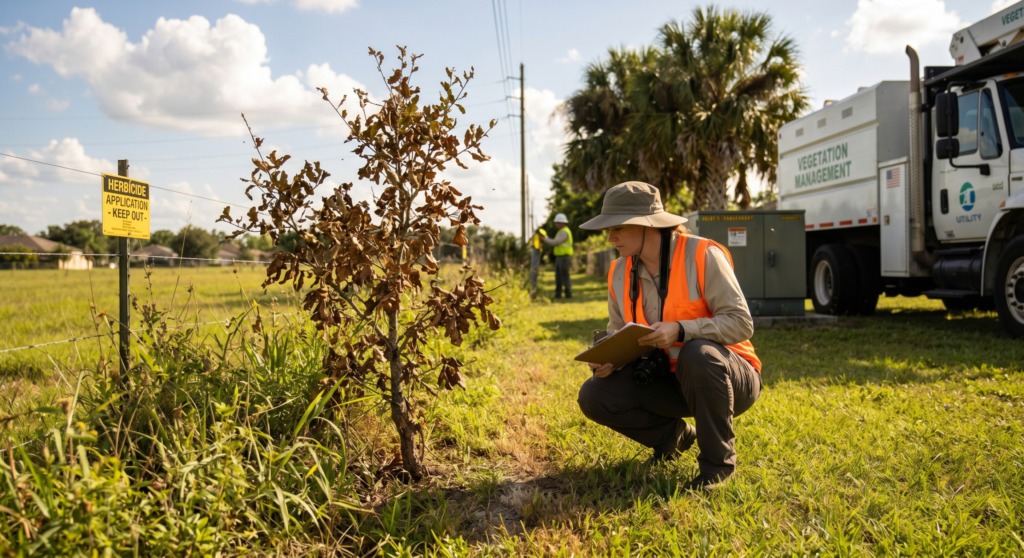
Soil science and site analysis evaluate environmental conditions influencing tree health, growth, stability, and performance.
Evaluations commonly include:
• Soil Texture
• Soil Structure
• Drainage Characteristics
• Soil Compaction
• pH
• Nutrient Availability
• Cation Exchange Capacity (CEC)
• Available Rooting Volume
Site conditions often represent critical factors in decline investigations, construction impact assessments, preservation planning, and root-related evaluations.
Primary Authorities: University of Florida IFAS Extension, ISA Publications, and Current Soil Science Research
Why It Matters: Site conditions frequently determine a tree’s ability to establish, grow, remain healthy, and tolerate environmental stress throughout its lifespan.
Plant Health Care (PHC)
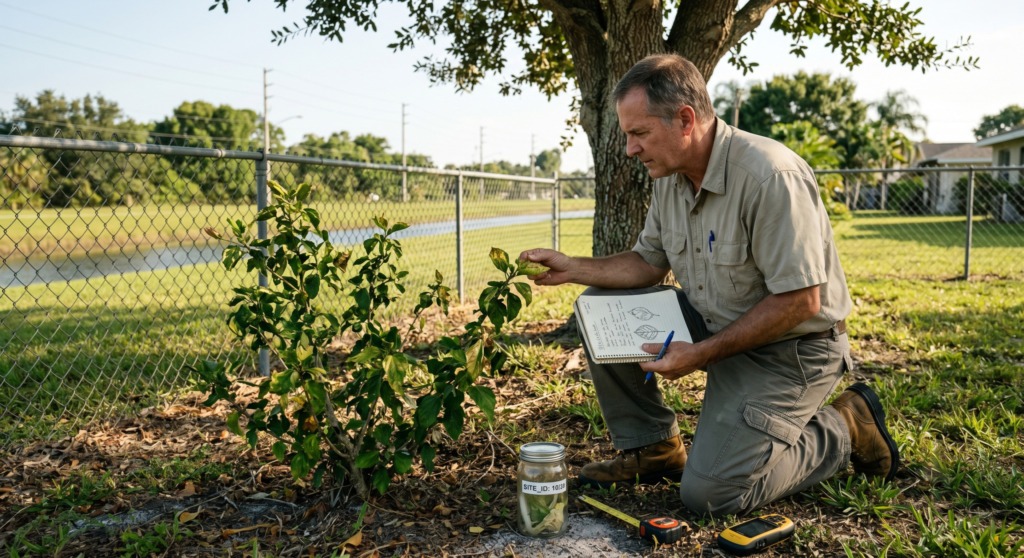
Plant Health Care is an integrated management approach focused on promoting long-term tree health through monitoring, diagnostics, nutrition, pest management, and preventive care.
Rather than focusing solely on treatment of symptoms, PHC emphasizes proactive management strategies designed to improve tree performance, longevity, resilience, and overall health.
Primary Authorities: ANSI A300 Plant Health Care Standards, ISA Best Management Practices, and Integrated Pest Management Principles
Why It Matters: Preventive management is often more effective than corrective treatment and helps maximize long-term tree health and performance.
TREE APPRAISAL & VALUATION METHODOLOGIES
Tree Appraisal & Valuation Methodology
Tree appraisal methodology provides a recognized framework for determining the monetary value of trees and landscape plants.
The primary authority for tree valuation is the Guide for Plant Appraisal, published by the Council of Tree and Landscape Appraisers (CTLA), with additional professional guidance provided through the American Society of Consulting Arborists Tree & Plant Appraisal Qualification (TPAQ) program.
Common valuation approaches include:
• Trunk Formula Method
• Cost Approach
• Landscape Contribution Method
• Damage Appraisal Methodology
These procedures are widely utilized in insurance claims, eminent domain matters, trespass actions, development disputes, property damage claims, and valuation assignments requiring defensible appraisal opinions.
Primary Authorities: Council of Tree & Landscape Appraisers (CTLA), Guide for Plant Appraisal, and ASCA Tree & Plant Appraisal Qualification (TPAQ)
Why It Matters: Tree appraisal methodologies provide a consistent and defensible framework for quantifying the value of trees and evaluating damages when losses occur.
PROFESSIONAL POSITION STATEMENT

Professional opinions are most reliable when supported by recognized standards, accepted methodologies, scientific research, documented evidence, and objective analysis. These methodologies provide the framework utilized by Arborist Consulting Solutions when conducting consulting assignments, tree risk assessments, tree appraisals, construction impact evaluations, root-related investigations, preservation planning, and technical arboricultural analyses.
By integrating recognized standards, scientific principles, and accepted arboricultural methodologies, Arborist Consulting Solutions provides objective, evidence-based evaluations designed to support informed decision-making, risk management, asset preservation, and professional consulting services.