Ron Lamneck is a professional forensic consulting arborist with over 40 years of experience in arboriculture. He is an ISA Certified Arborist and TRAQ qualified. Attorneys, insurance adjusters, and municipalities rely on his technical forensic analysis in tree failure cases and courtroom testimony. Ron applies that same technical forensic analysis to every Arborist Evaluation, starting with the very first visit.
Most landscape problems aren't what they look like. A declining oak, a browning lawn, dying hedges, cracked pavers, or a tree that suddenly started leaning are symptoms. The real cause is often somewhere else: in the soil, the irrigation, the yard, or beyond your property line entirely. Ron finds where the problem actually started, whether it involves trees, palms, shrubs, turf, or other plants, and tells you how to fix it the right way, the first time.
- 40+ Years in Arboriculture
- ISA Certified Arborist
- TRAQ Qualified
- Forensic Consulting Arborist
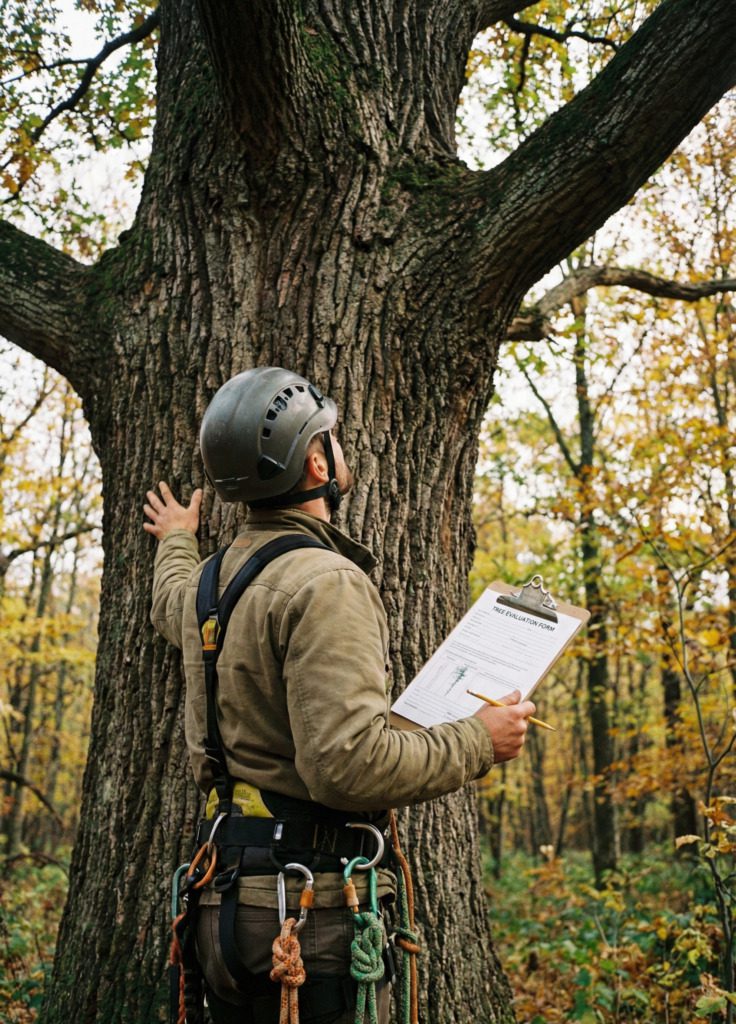
Property owners often spend money treating symptoms. They prune, fertilize, spray, or remove trees, and the problem comes back or spreads, because the source was never identified. Ron doesn't stop at the tree in front of him. He looks at:
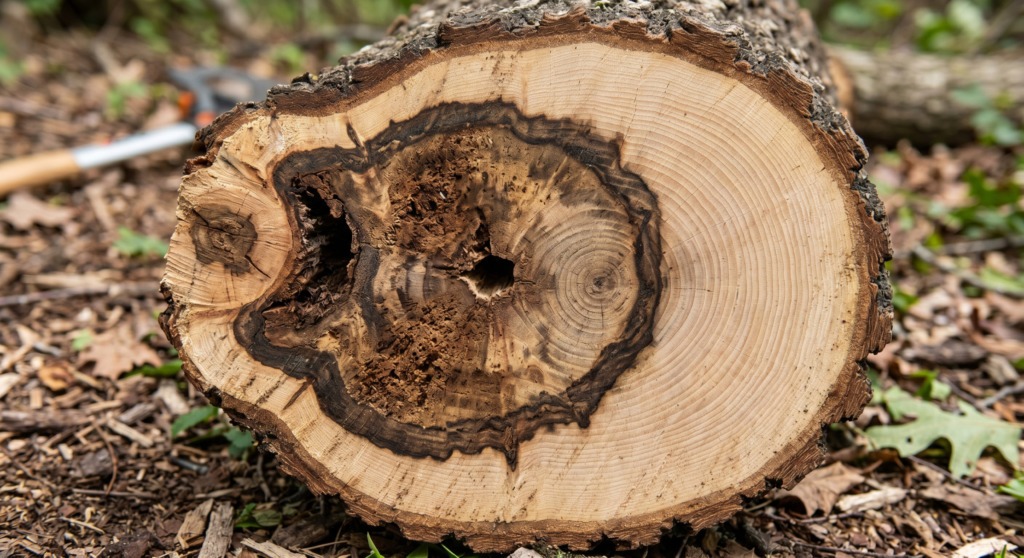
The tree, palm, plant, or turf itself
Structure, health, pests, disease, decay, root condition, planting depth, pruning history, and growing conditions.
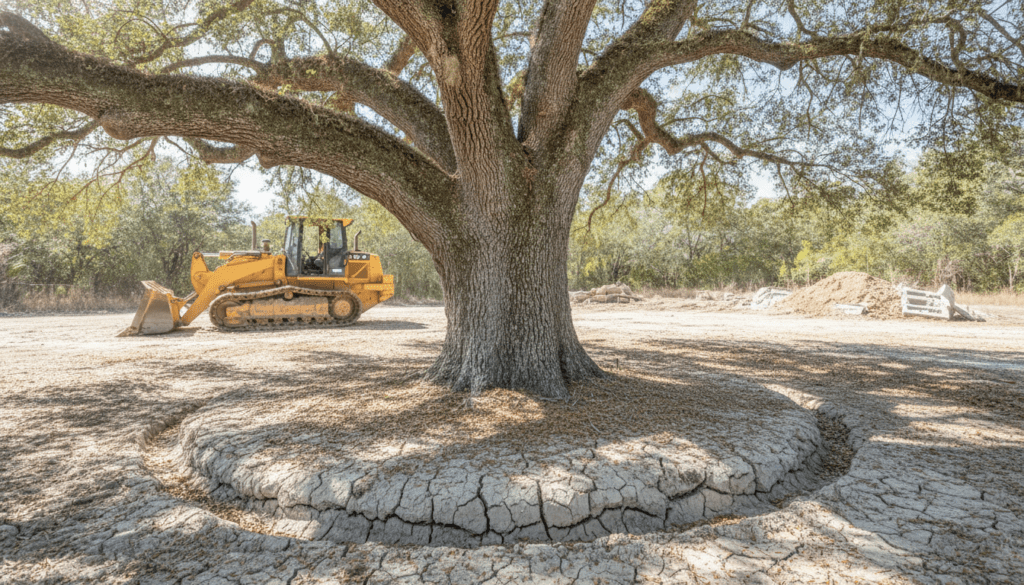
Your property
Grade changes, drainage, irrigation, soil conditions, compaction, hardscape, recent landscaping, and construction.
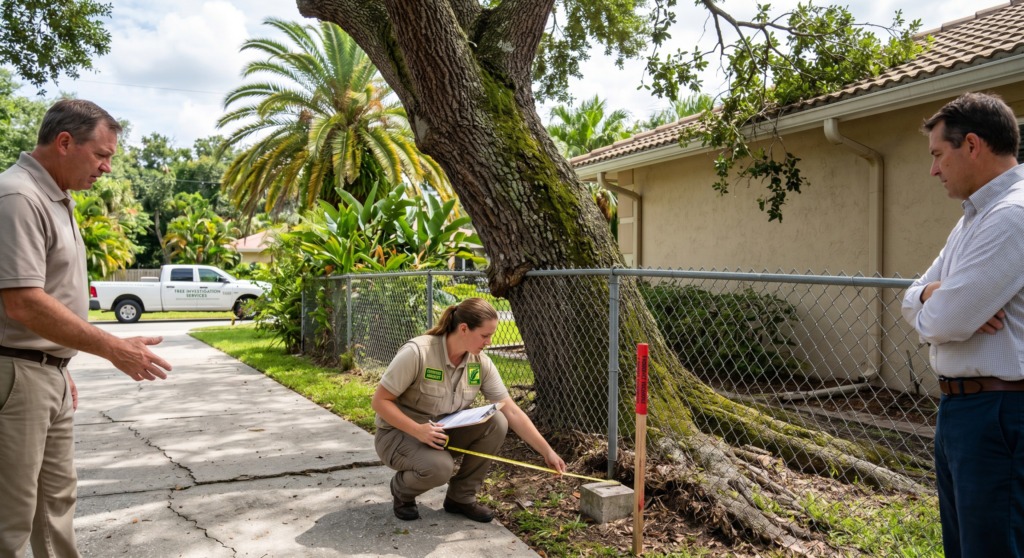
The surrounding area
Neighboring construction or trenching, redirected water runoff, utility work, herbicide or chemical drift, and pest or disease activity moving through the neighborhood.
A tree dying in your yard may be suffering from roots cut during a neighbor's pool installation. It may be drowning in water redirected by a new driveway next door, or be part of a disease spreading block by block. Finding that source changes what you should do, and who may be responsible.
An Arborist Evaluation isn't limited to tree health. Ron also helps property owners work through the situations where trees, rules, and neighbors collide:
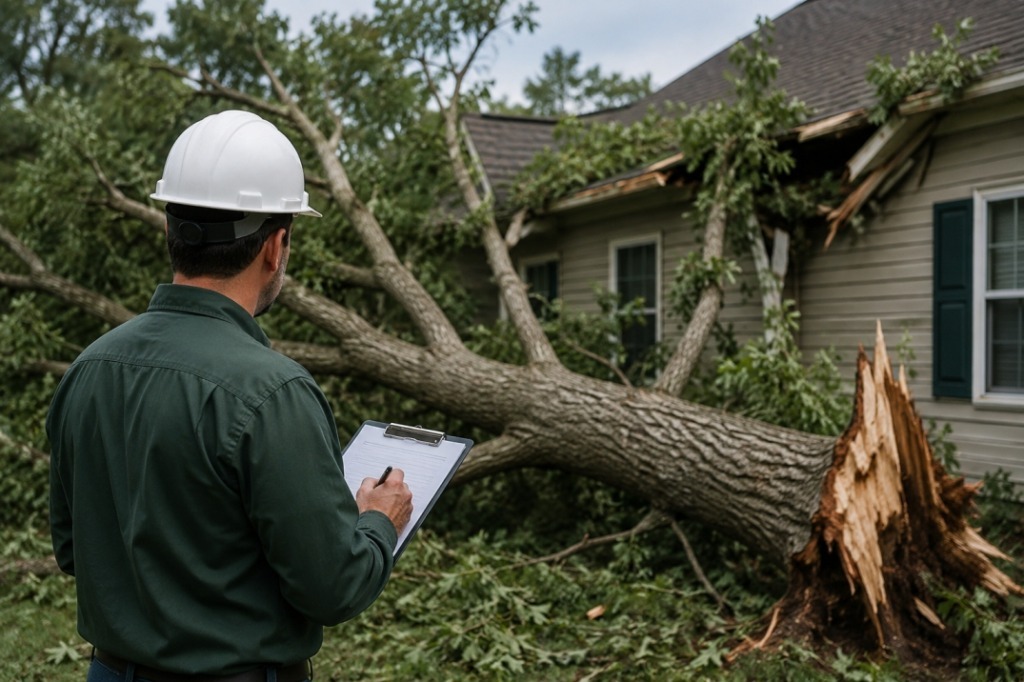
Risk and mitigation
One of the most common reasons people call. If a tree is leaning, cracking, dropping limbs, or showing decay, Ron evaluates the condition, what it could strike, and the severity of the consequences. He then gives you his professional opinion on what is needed to remedy the situation, whether that's pruning, cabling and bracing, root zone correction, monitoring, or removal. If his assessment shows that a formal Tree Risk Assessment is warranted, he will recommend one. If it isn't, he'll tell you that too, and you won't pay for a report you don't need.
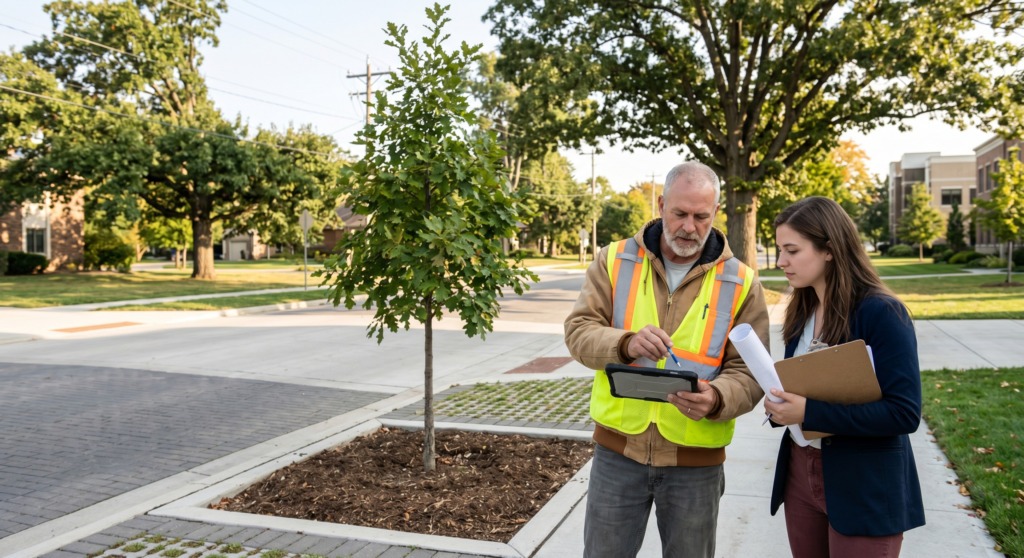
Permit preparation
Before you remove, relocate, or significantly prune a tree, Ron can tell you whether a permit is likely required. He also explains what the permitting process will involve, so you avoid costly mistakes.
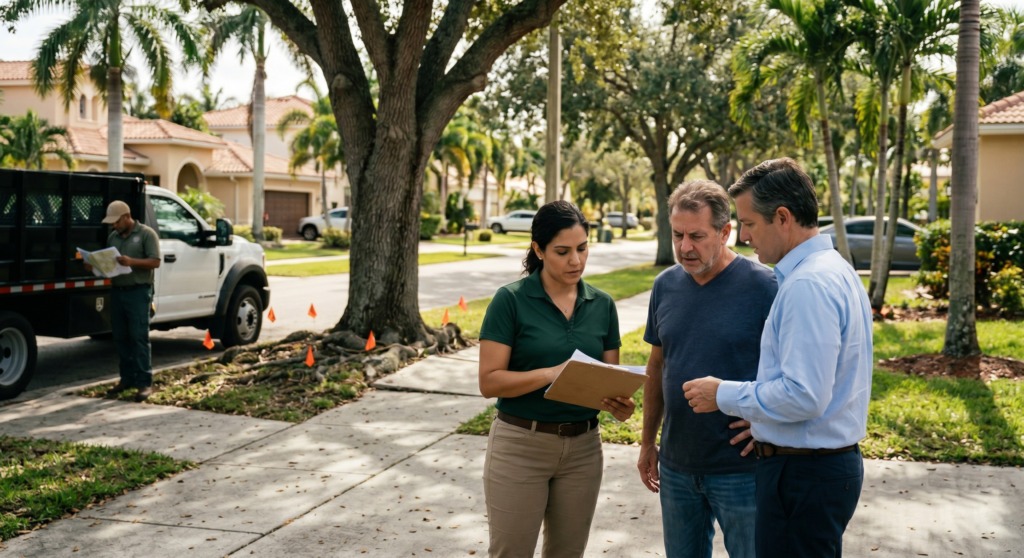
Code violations
If you've received a violation notice or fine for tree work, Ron evaluates what happened and advises you on your options and next steps toward compliance.
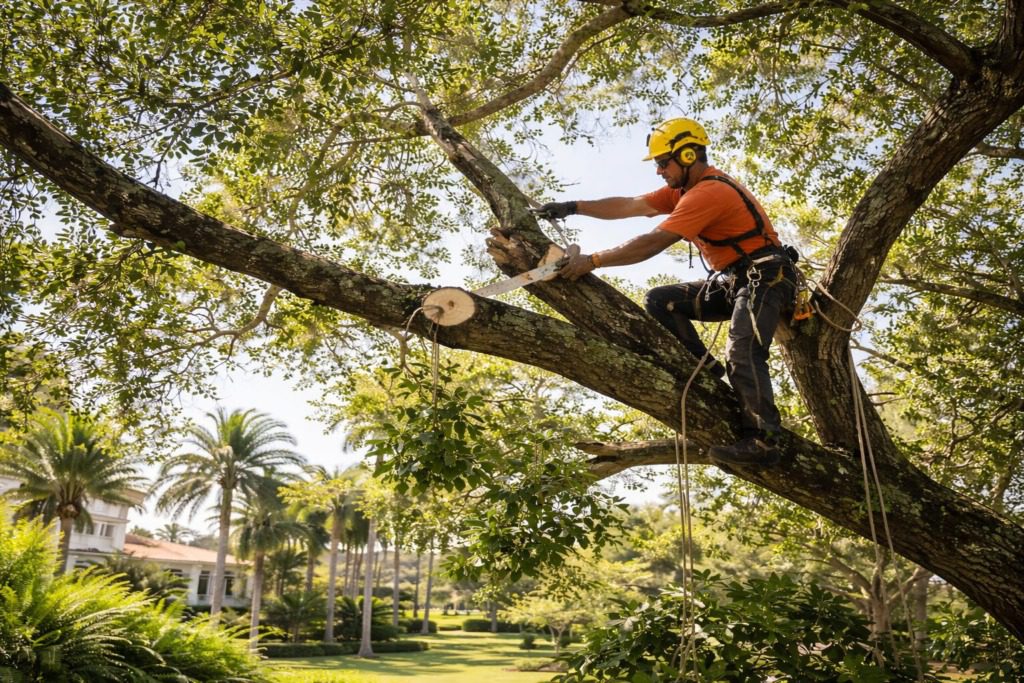
Improper pruning
Hat-racking, over-lifting, flush cuts, and topping can damage a tree and violate local codes and ANSI A300 standards. Ron assesses the damage, explains what went wrong, and advises on recovery and corrective measures.
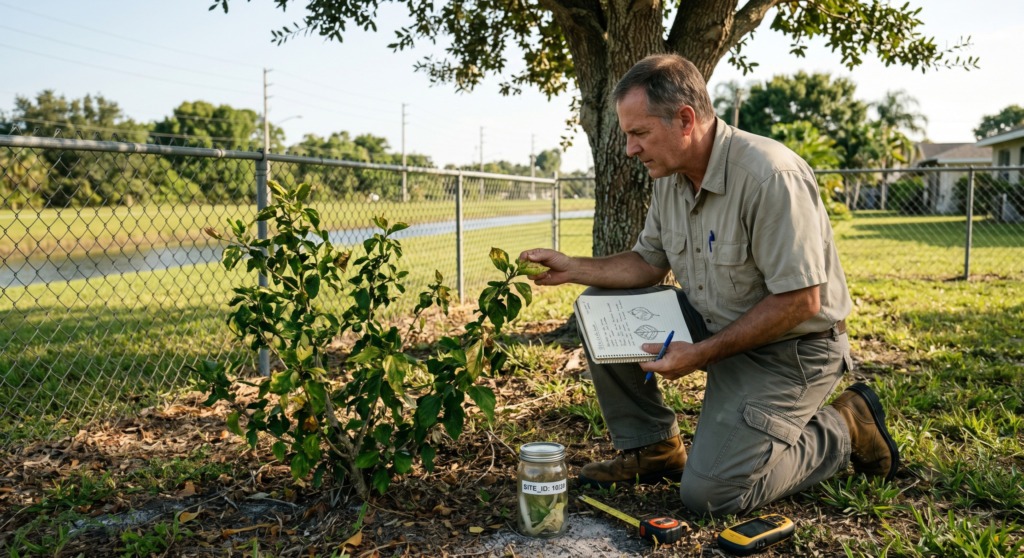
Neighbor cutting your tree
Florida generally allows a neighbor to trim branches that cross onto their property, but the cutting cannot harm the health of your tree. If a neighbor or their contractor cut your tree from their side, Ron evaluates the damage and its likely impact on your tree's health and stability. He then advises on how to protect the tree and how to proceed.
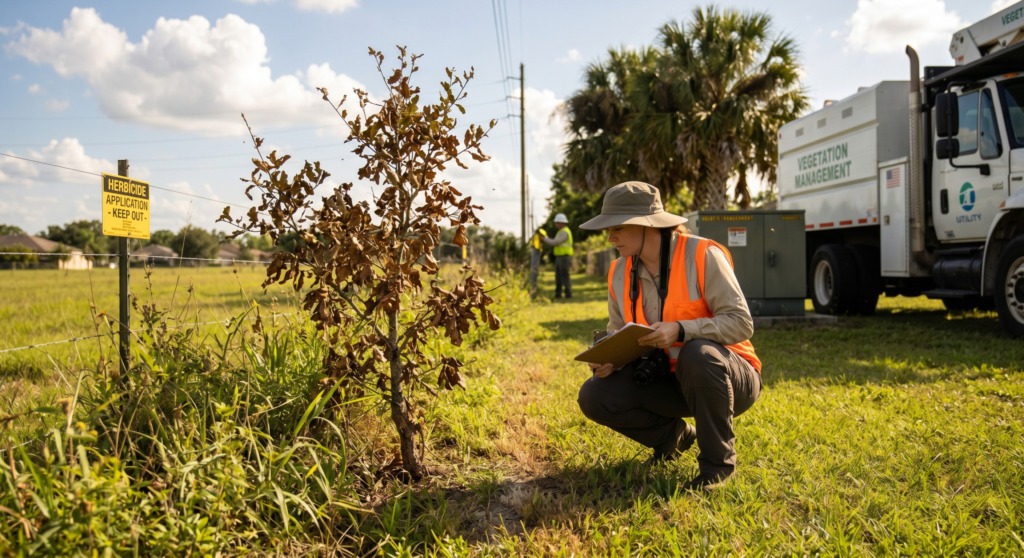
Lawn, hedge, and landscape problems
Trees don't decline in isolation, and neither does the rest of your landscape. Ron evaluates the whole site, including turf, hedges, shrubs, and ornamental plantings, to find shared causes such as irrigation failures, soil compaction, drainage changes, herbicide drift, or pest and disease activity moving through the area.
If your situation is heading toward a dispute, a claim, or court, your evaluation is the first step. Ron can then provide formal written reports, tree appraisals, and expert witness services as needed.
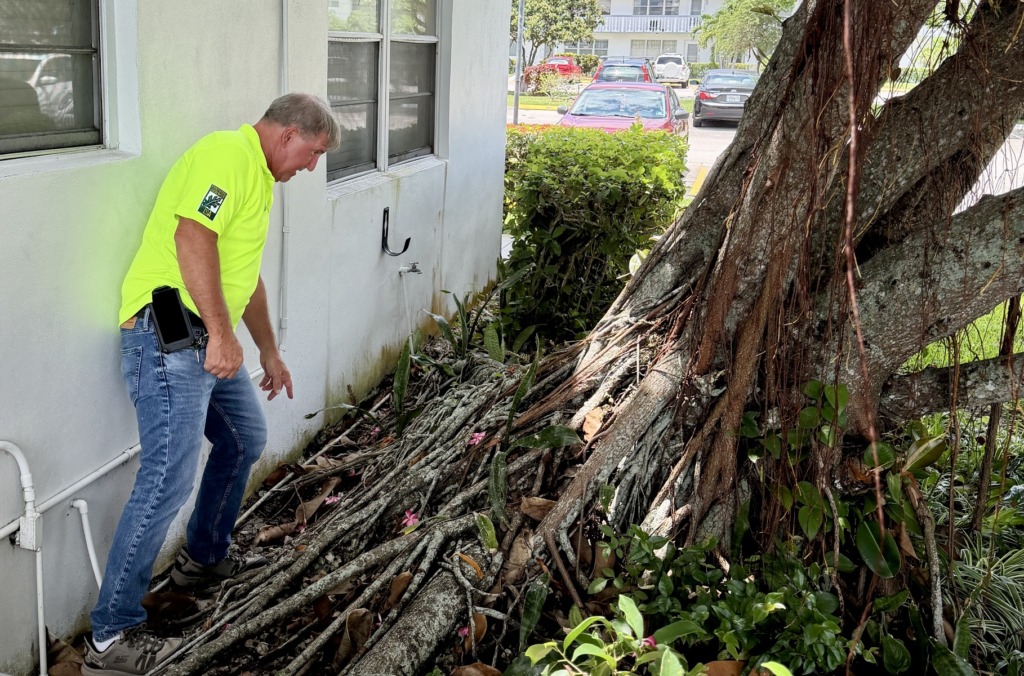
A physical site visit is always the most thorough option. In person, Ron can examine roots, soil, drainage, and neighboring conditions directly. On-site evaluations are available throughout Palm Beach, Broward, and Miami-Dade counties.
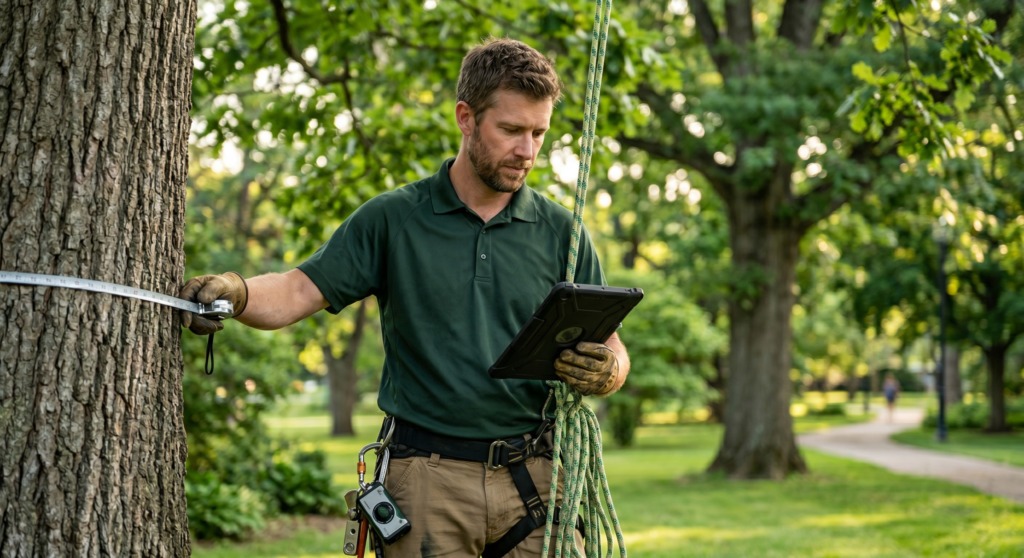
You don't have to be in South Florida to get Ron's opinion. Remote evaluations are available anywhere in the United States, using:
- Photos and video sent by email or text
- A live FaceTime walk-through of the tree, your yard, and the surrounding area
For the best results, show more than the tree: the ground around it, nearby construction, drainage paths, and neighboring properties. Ron applies the same forensic analysis to the photos and video you provide. Remote evaluations work well for many problems. However, some conditions can't be fully assessed without hands-on inspection, such as internal decay, root defects, and soil problems. If Ron believes your situation needs an in-person inspection, he'll tell you.
Remote evaluation payment terms:
Payment must be made in full by Zelle before the evaluation begins.
Zelle only. No credit cards, Venmo, or other payment methods are accepted.